Many retailers focus almost entirely on floor space when planning a layout. They think about aisles, display tables, and shelving footprints, but often overlook one of the most valuable resources available: vertical space.
When used correctly, vertical merchandising can increase product visibility without making the store feel crowded.
Floor Space Runs Out Fast
Every retailer eventually reaches a point where adding another fixture becomes difficult.
Walkways become tighter, displays start competing with each other, and the store begins to feel cluttered. At that stage, the solution often isn’t adding more floor fixtures—it’s making better use of the space already available.
Looking upward can create additional display opportunities without reducing customer movement.
Different Products Benefit From Different Heights
Not every product needs to sit at eye level.
Many stores successfully use vertical merchandising to create layers of interest throughout a department. For example:
- featured items at eye level
- supporting products above
- bulk inventory lower down
- decorative elements higher up
This helps customers browse naturally while keeping the section visually balanced.
Breaking Up Long Fixture Runs
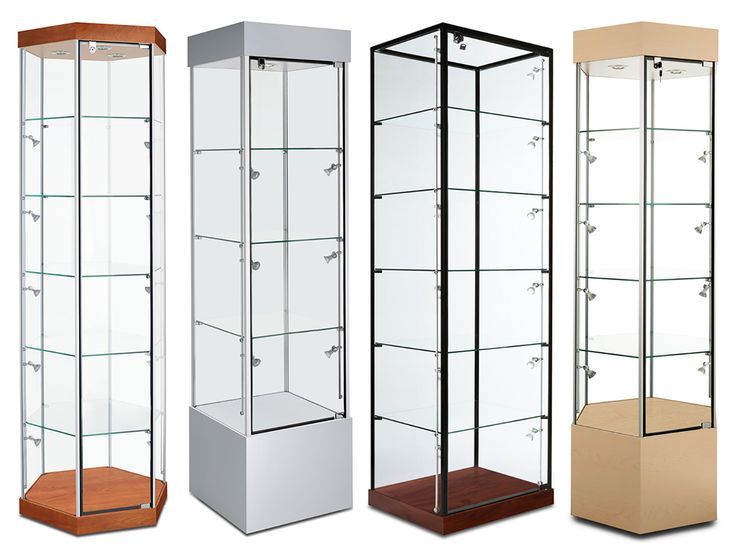
One issue with traditional shelving is that large sections can start to look repetitive.
Customers walk past rows of identical fixtures and eventually stop noticing individual products. Adding tower displays throughout the floor can help interrupt that pattern and create natural focal points.
Because they draw the eye upward, tower-style fixtures can make sections feel more dynamic without taking up excessive floor space.
Visibility From a Distance Matters
Customers don’t see products one shelf at a time.
They view entire sections from across the store before deciding where to walk. Vertical displays can help improve long-distance visibility by creating landmarks within the sales floor.
This becomes especially useful in:
- larger retail stores
- open floor plans
- trade show environments
- seasonal merchandise sections
The easier it is for customers to identify a category from a distance, the easier it is for them to navigate.
Avoid Making Displays Too Tall
Using vertical space doesn’t mean stacking products as high as possible.
Displays that become difficult to reach or view often create frustration. Customers should still be able to comfortably browse merchandise without needing assistance for every item.
The goal is visibility and organization—not simply fitting more inventory into the store.
Create Visual Variety
Retail layouts benefit from contrast.
If every fixture is the same height, the sales floor can start to feel flat. Mixing display tables, shelving, racks, and taller focal fixtures helps create a more engaging shopping environment.
Small changes in height can make a bigger difference than many retailers expect.
Keep Restocking Practical
Before adding any tall fixture, consider daily operations.
Staff need to:
- restock products
- clean displays
- rotate inventory
- update merchandising
A display that looks impressive but becomes difficult to maintain may create more problems than it solves.
What This Comes Down To
Most stores have more usable space than they realize. The challenge is learning how to use it effectively.
By incorporating vertical merchandising thoughtfully, retailers can improve visibility, create stronger focal points, and add display capacity without overcrowding the sales floor. Often, the best way to gain more display space isn’t outward—it’s upward.